
Epoch is rebuilding America’s carbon supply chain using local biomass in a circular, sustainable, and carbon-negative production system.
Why We Started
Activated carbon has traditionally been made from coal or coconut shells sourced from plantations in Southeast Asia. What has become clear is the environmental cost of that supply chain. Coconut agriculture has had significant, well-documented consequences for the ecosystems it operates within:
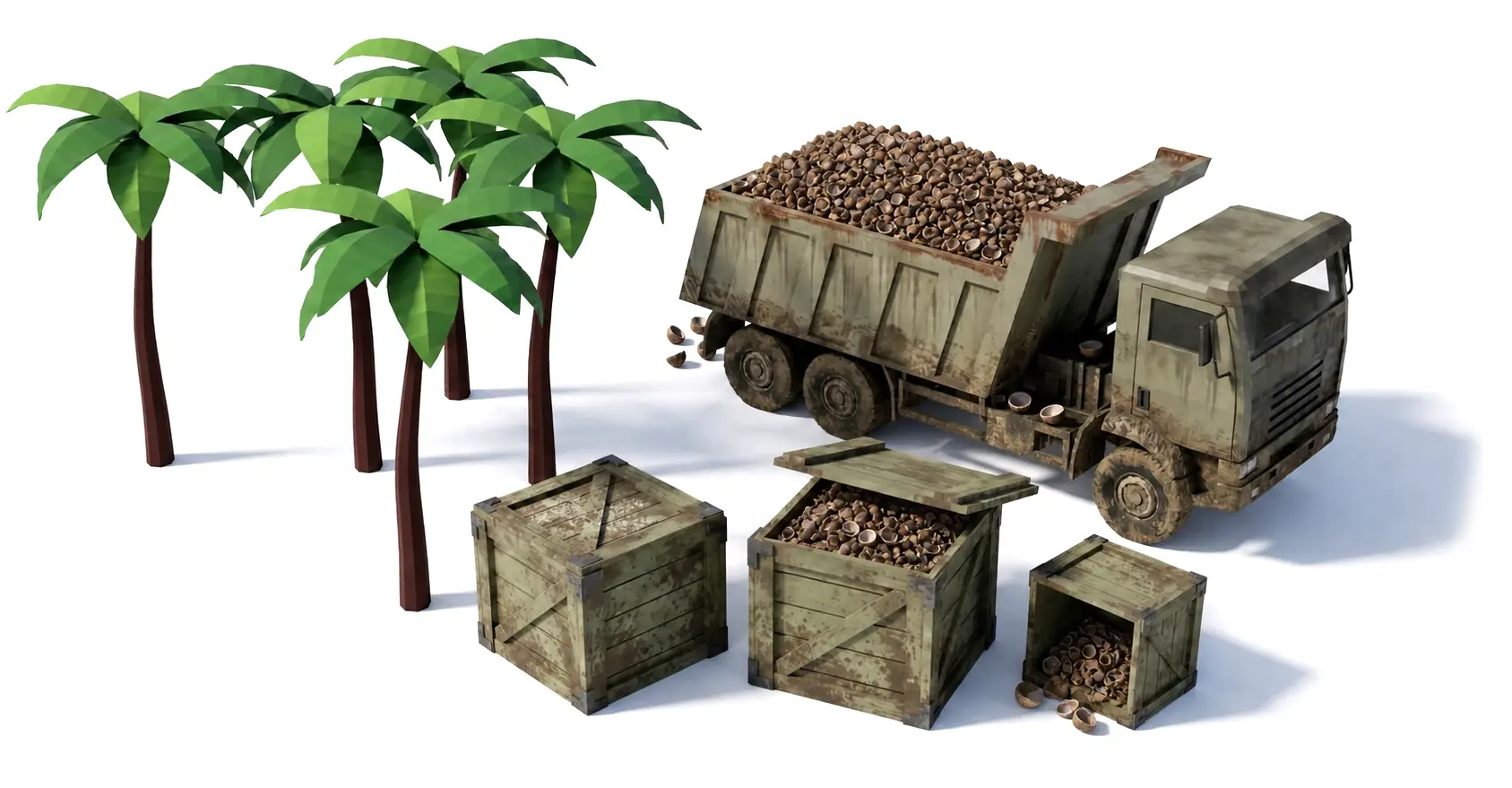
The Environmental Cost of Coconut Shell Activated Carbon.

Tropical Deforestation
Research published by The Nature Conservancy found that coconut plantations have led to deforestation on over 80 percent of Pacific atolls, with coconut palms now covering more than half of their forested areas.
Ecosystem Loss
A study published in Current Biology found that coconut production affects more threatened species per million liters of oil produced than palm oil production.
GHG Emissions
Activated carbon derived from coconut shells carries a carbon footprint of 3.5 to 10 kg of CO2-equivalent per kilogram produced, driven by energy-intensive processing and long-distance ocean freight.
Coconut shell and coal-based activated carbons have set a high bar for quality. Today, we can meet and exceed that level with a more environmentally responsible alternative. That’s the Epoch Carbon way.
What We’re Building
Our mission is to produce high-quality activated carbon sustainably, using domestically sourced biomass, a carbon-negative production process, and a fully traceable supply chain from start to finish.
SkyCarbon starts with biomass that would otherwise decompose, releasing its stored carbon back into the atmosphere. By intercepting that material and converting it through a low-impact domestic process, Epoch Carbon produces activated carbon that is carbon-negative by design. The same material the industry already trusts, made in a way that works with the planet rather than against it.
The Future of Activated Carbon …
Epoch Carbon is building a distributed network of local production. Our modular system locates compact production units near abundant biomass resources, turning locally sourced feedstock into high-performance activated carbon for regional markets. The result is a more resilient, efficient, and sustainable domestic supply chain.
… Is Truly Epoch.
The result is a more resilient, efficient, and sustainable domestic supply chain for activated carbon—built on a circular, carbon-negative model that strengthens local economies and leaves the world better than we found it.
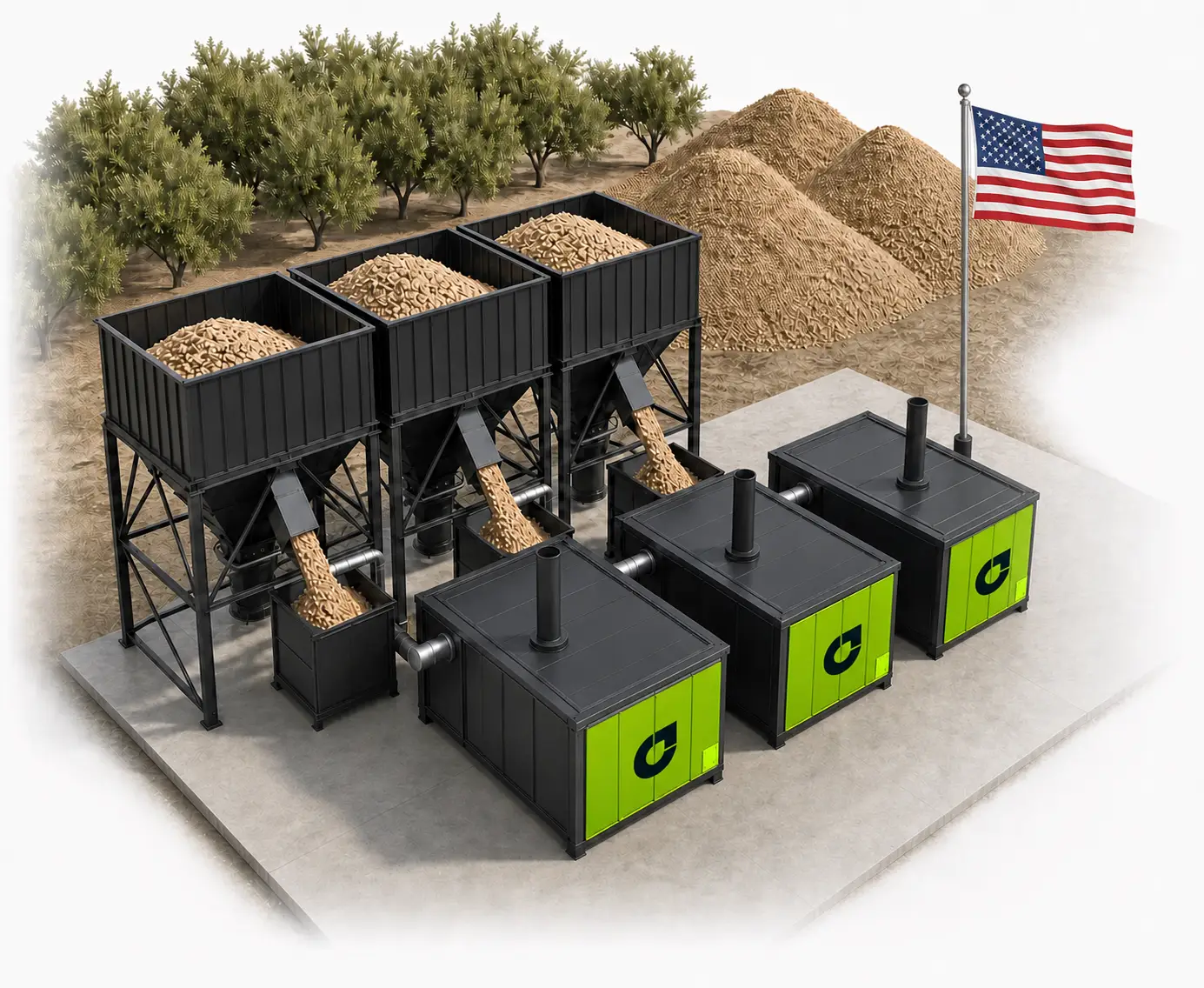
2026-2027:
Sourcing biomass and producing SkyCarbon in California, with distribution across the United States.
2028 to 2030:
Building the distributed network across key biomass regions.
2031 and beyond:
A network of local production wherever biomass and activated carbon demand converge.
